About Electric Patient Transfer Lift WY-207
I. Product Structure
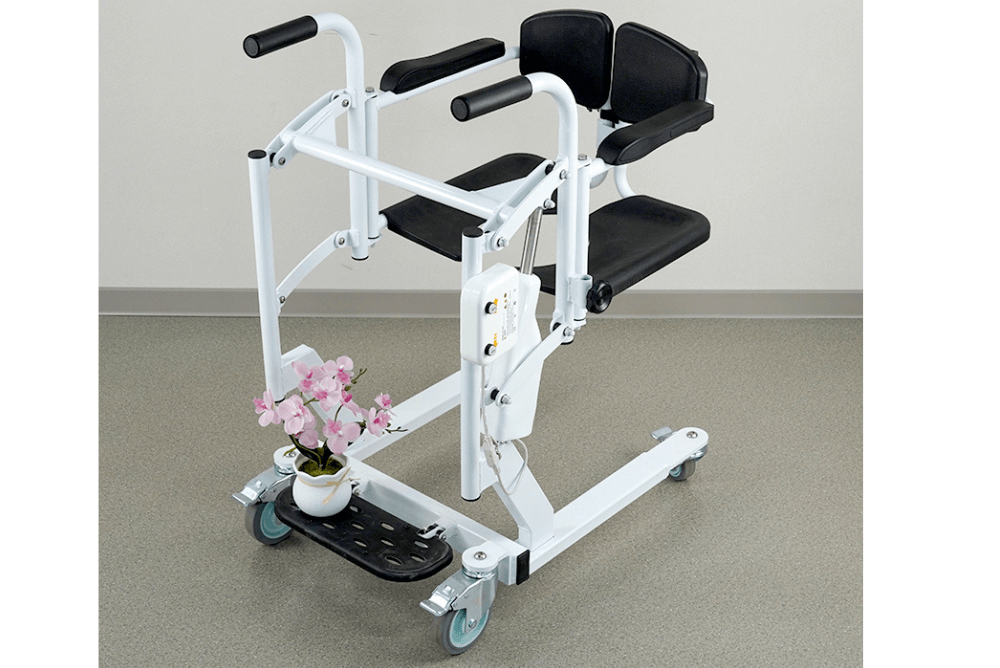
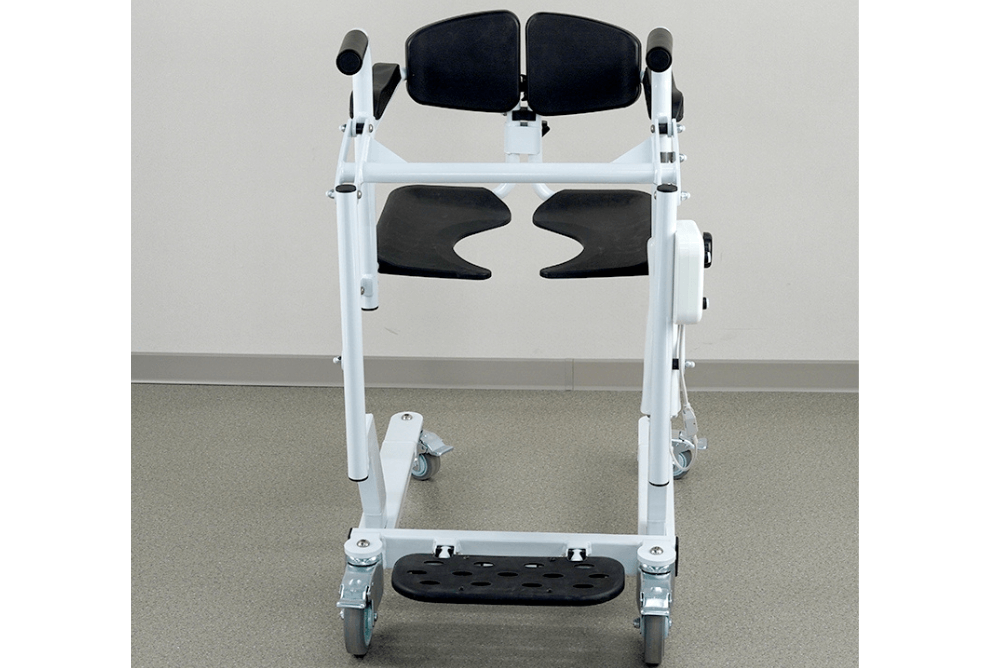
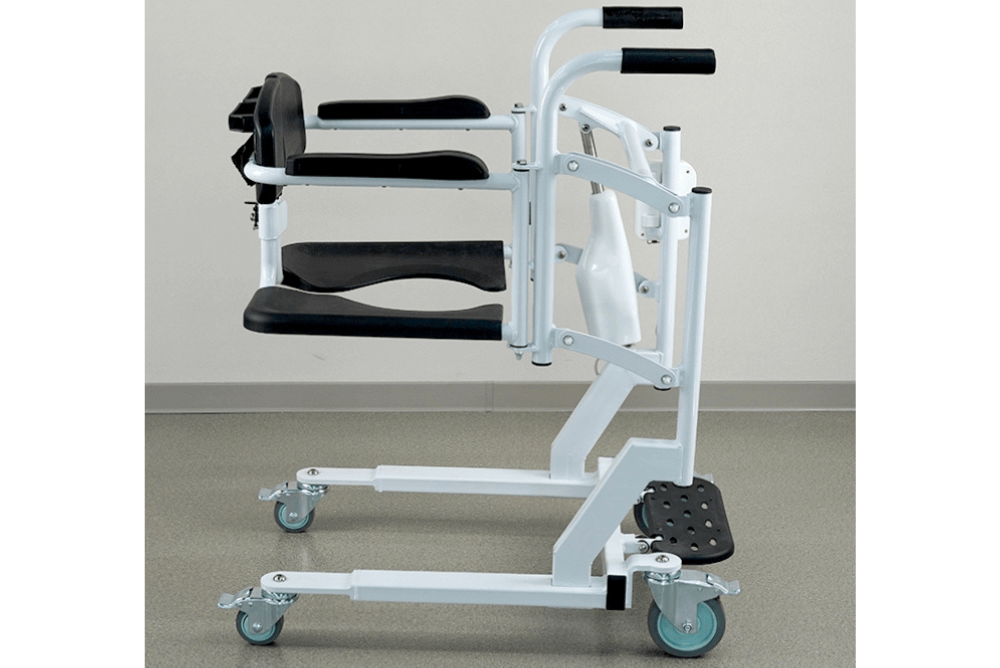
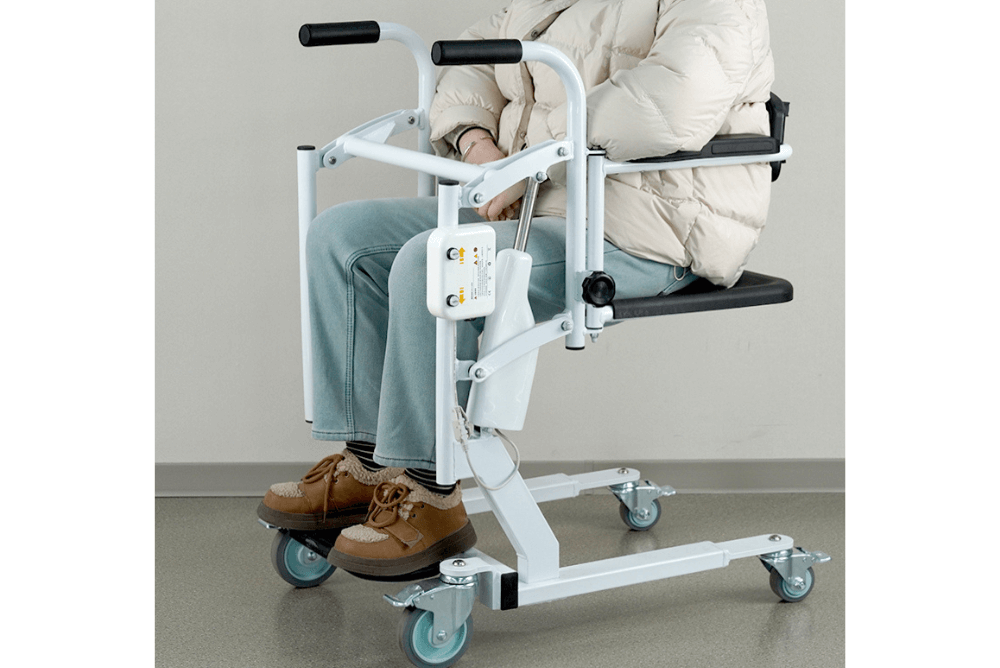
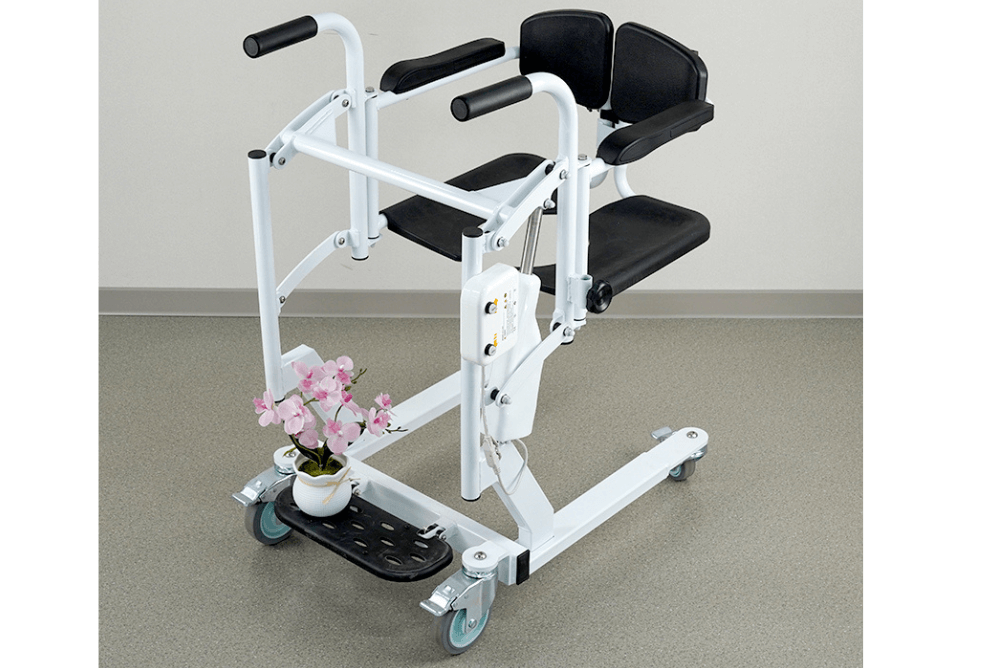
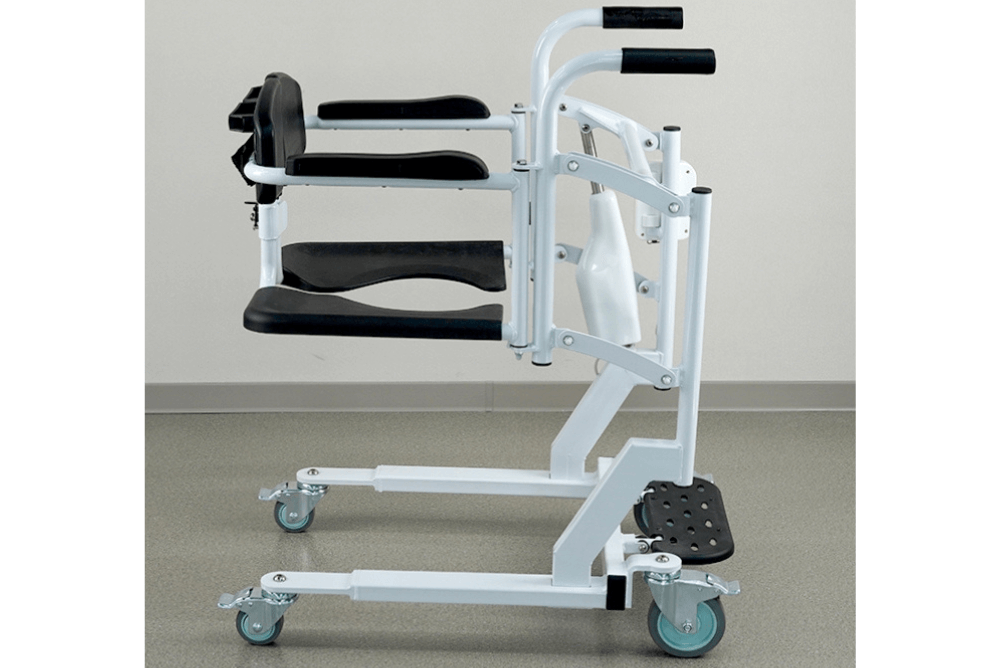
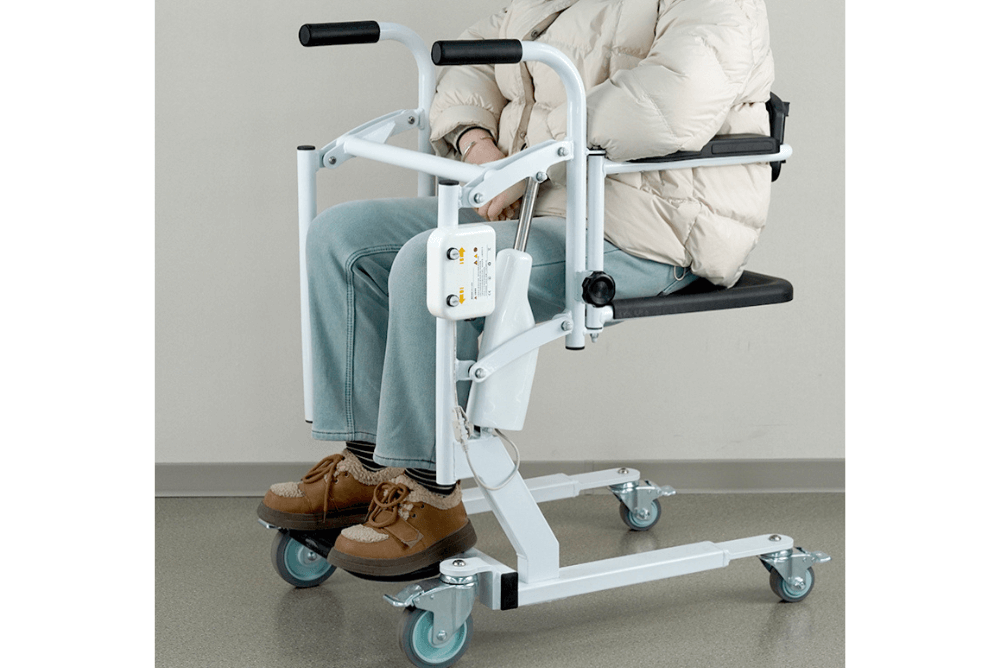
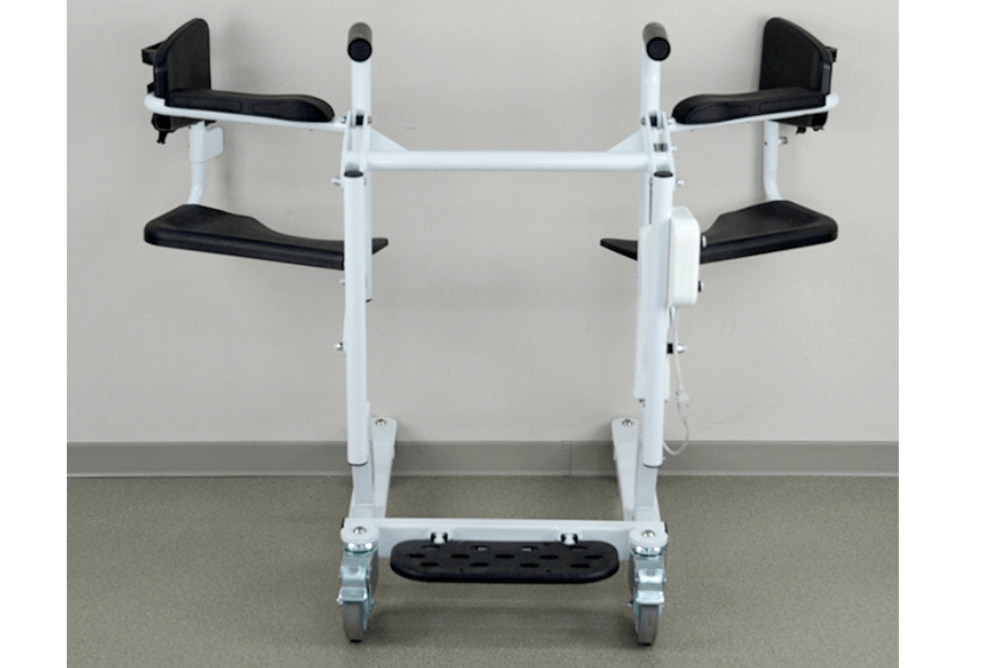
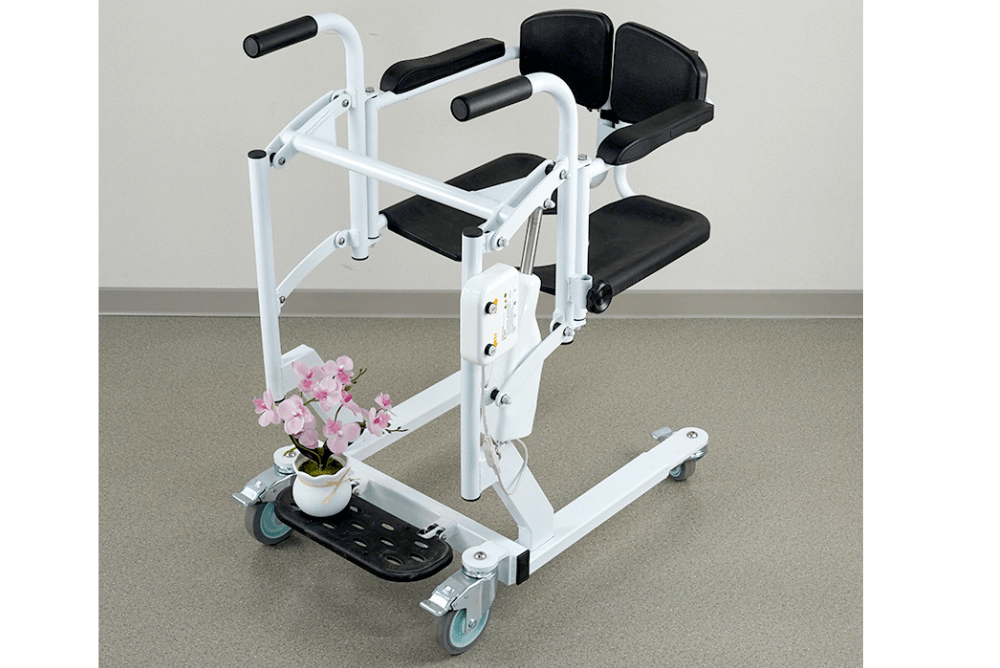
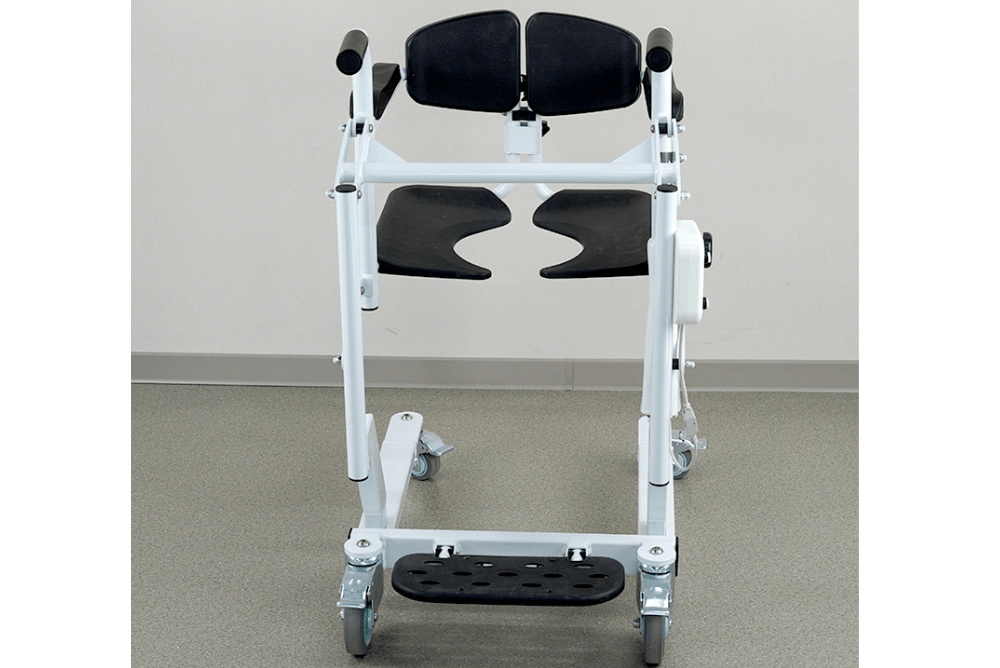
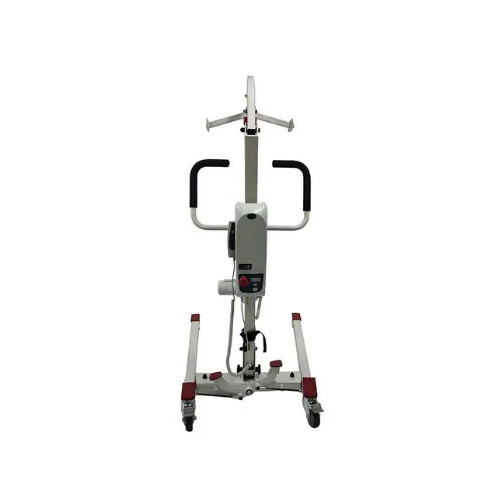
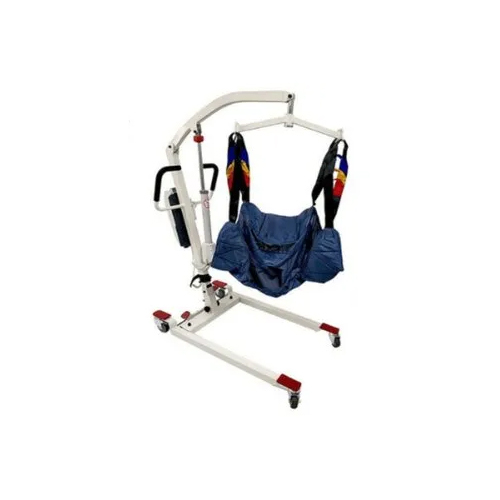
Comprises bracket, wheels, base outriggers, suspension rods, controller assembly and armrests. Some motorized models have a battery assembly.
- Intended Use
For transporting and moving patients.
III. Usage
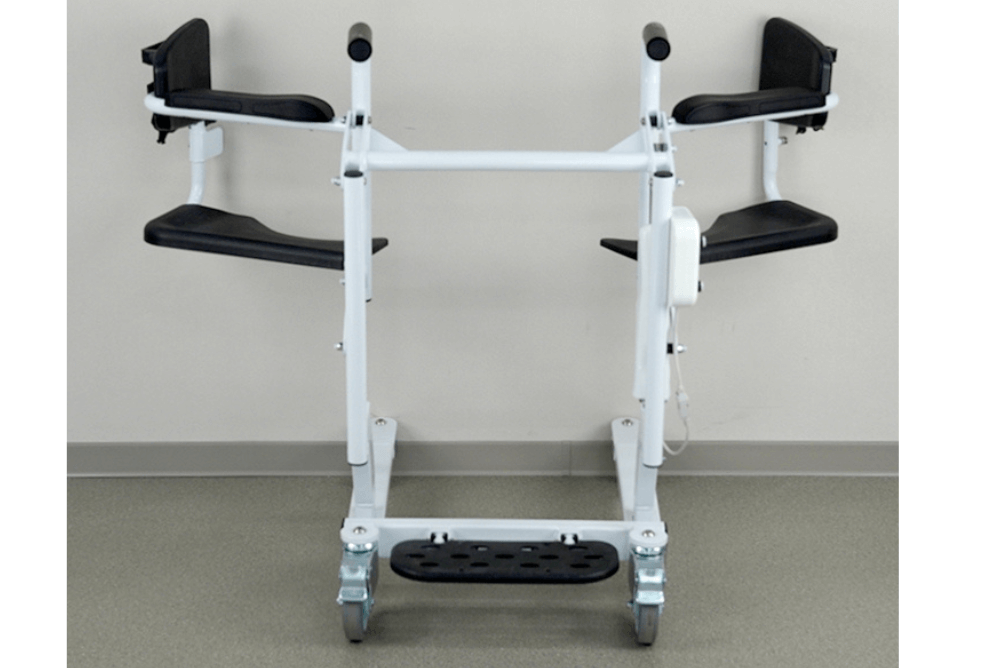
1.With the patient seated at the bedside, lower the transfer machines seat plate to bed level, unfold it 180 degrees, move the machine to the bedside and lock the front wheel brakes.
2.Lift the patient slightly and rotate the seat plate under one hip, then do the same for the other side. Move the two seat plates together, lock them with the locking device and fasten the safety belt buckle.
3.Once the seat plate locking device and safety belt are locked, press the upward button on the battery box. Stop when the seat plate is above the bed and can be detached.
4.Unlock the front wheel brakes and move the transfer machine away from the bedside to complete the transfer.
- Precautions
1.Keep parts like the backrest pad, seat and armrest pads away from fire and heat sources.
2.Dont touch the hot motor and controller bottom during continuous operation to avoid burns.
3.Prevent electrical short circuits.
4.Battery Maintenance
4.1 Dispose of damaged or leaking batteries properly according to environmental protection requirements.
4.2 Use only the same or recommended battery types when replacing, ensuring correct polarity.
4.3 Incorrect disposal of waste batteries can cause fire or explosion. Dont disassemble, heat or incinerate them.
5.Clean weekly during patient use; disinfect after use for infectious patients.
- Before use, adjust the electric transfer lift to a height suitable for the patient.
- Check that the casters of the electric transfer lift are securely fastened and stable before use. Replace them immediately if worn, and exercise extra caution when using on sloped or slippery surfaces.
- The electric transfer lift is an auxiliary tool designed for transporting and moving patients. Do not use it to support objects other than its intended purpose.
- The weight of the patient being transported shall not exceed 120 kg.
- Transportation
During transportation, it should be protected from moisture, shielded from sunlight, and kept away from heat sources.
VI. Storage
The packaged electric transfer lift should be stored indoors in a well ventilated, dry, cool place, away from heat sources and free from corrosive gases.
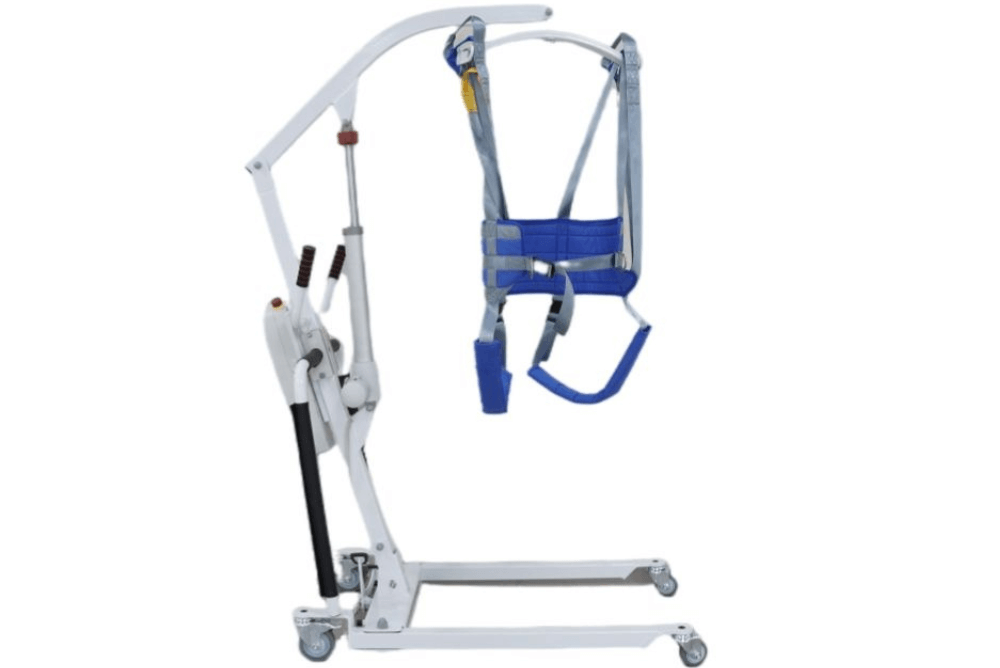
User-Friendly and Safe OperationThe WY-207 Electric Patient Transfer Lift prioritizes both user and patient safety with features such as an emergency stop button, a safety lowering mechanism, and ergonomic controls. The handheld remote allows caregivers to operate the lift easily, facilitating secure transfers from floor to bed level. Its low noise level ensures a calm environment, essential in healthcare settings.
Adaptable Design for Versatile UseEngineered with an adjustable arm opening and detachable sling, the lift accommodates a wide range of patient needs. The epoxy-coated stainless steel frame and ABS plastic components offer durability, while the castors feature brakes for added stability. It is ideal for use in hospitals, clinics, nursing homes, and homecare due to its versatile and robust construction.
Long-Lasting Battery and Reliable PerformanceThe lifts rechargeable battery provides up to 40 lifting cycles per full charge and can be fully recharged within 6-8 hours. Operating on standard 220V/50Hz single-phase power, the device delivers consistent performance, ensuring it is ready for frequent daily use in busy environments without frequent interruptions.
FAQs of Electric Patient Transfer Lift WY-207:
Q: How does the Electric Patient Transfer Lift WY-207 enhance patient transfer safety?
A: The lift includes multiple safety features such as an emergency stop button, a safety lowering mechanism, four swivel castors with brakes, and an ergonomic remote control. These elements work together to provide secure handling and minimize the risk of falls or accidents during transfers.
Q: What is the process for operating the WY-207 lift?
A: To operate, attach the washable polyester sling to the patient and connect it securely to the lift. Use the handheld remote to raise or lower the patient as needed, while the swivel castors and brakes provide stability. The adjustable arm opening allows for easy positioning around chairs or beds.
Q: When should the battery be recharged for optimal performance?
A: To maintain optimum performance, recharge the battery after each days use or once approximately 40 lift cycles have been completed. A full charge takes between 6 to 8 hours, ensuring the lift is ready for the next operational shift.
Q: Where can the WY-207 Patient Transfer Lift be used?
A: The lift is suitable for a variety of environments, including hospitals, clinics, nursing homes, and homecare settings. Its robust construction, smooth maneuverability, and adaptable features make it ideal for locations requiring frequent patient mobility assistance.
Q: What are the benefits of using a remote controlled electric lift for patient transfers?
A: Remote controlled operation minimizes physical strain on caregivers, enhances precision in patient positioning, and increases overall efficiency. This reduces the likelihood of caregiver injuries and improves the patients sense of security and comfort during transfers.
Q: How do you maintain and clean the sling and main frame?
A: The detachable sling is made from washable polyester, allowing for regular cleaning after each use. The main frame, finished with an epoxy coating, can be wiped down with a mild disinfectant solution as part of routine maintenance to ensure hygiene and longevity.





 Send Inquiry


 Send Inquiry